The AI Gold Rush Is Quietly Reshaping Commercial Real Estate
While the public focuses on chatbots, institutional investors are racing toward something far more valuable: power, infrastructure, and the physical real estate behind artificial intelligence.
By VS Capital Group
Artificial intelligence may ultimately become the most capital-intensive technological revolution since the industrial age. But unlike previous software booms, this one is colliding with something far less scalable: the physical limits of the real world.
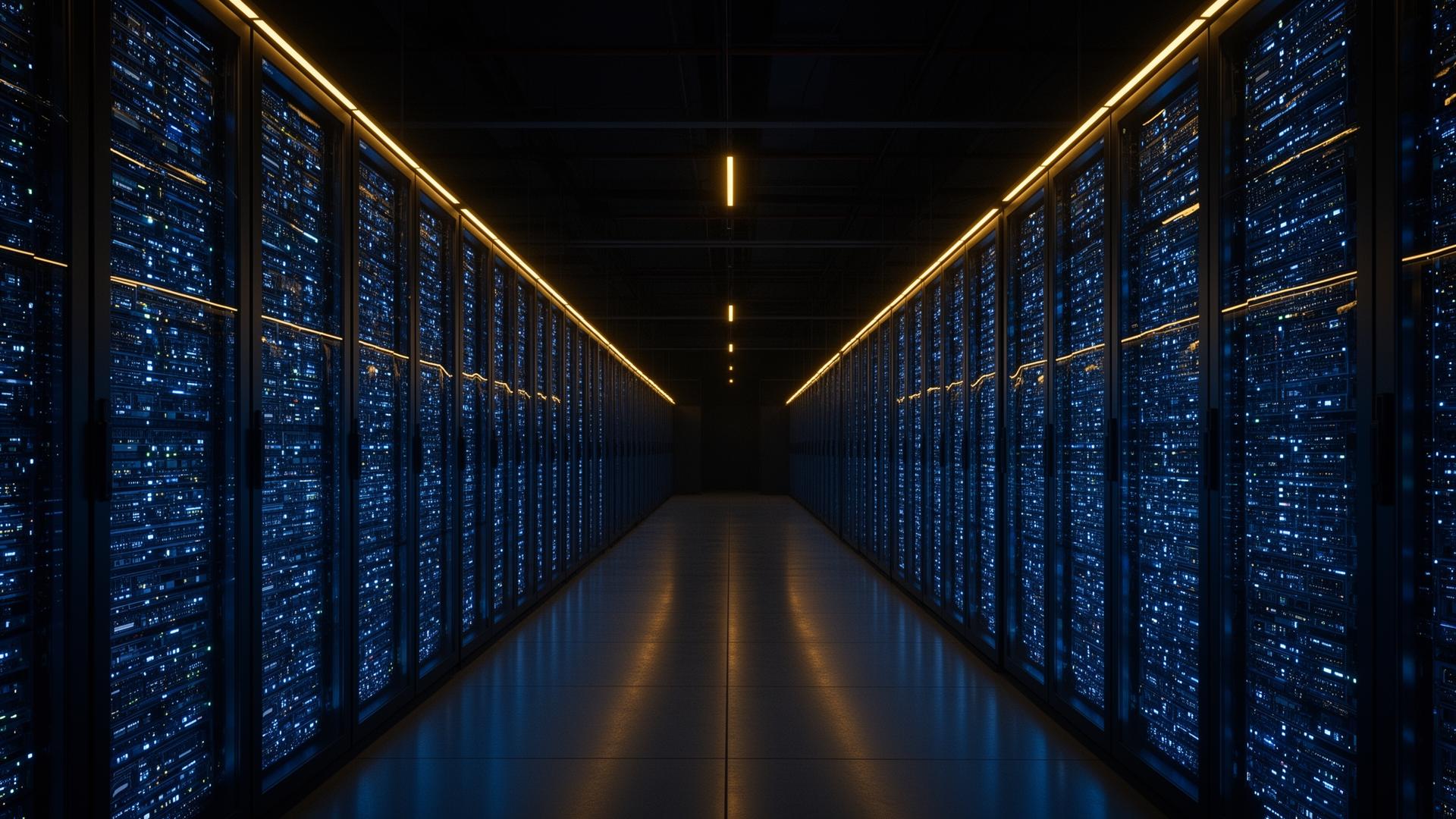
For years, Silicon Valley sold the idea that the future would become increasingly digital, frictionless, and detached from physical constraints. The rapid rise of AI is revealing the exact opposite. Behind every large language model, autonomous system, and cloud-based inference engine sits an enormous physical footprint requiring land, electricity, cooling, transmission, and industrial-scale development.
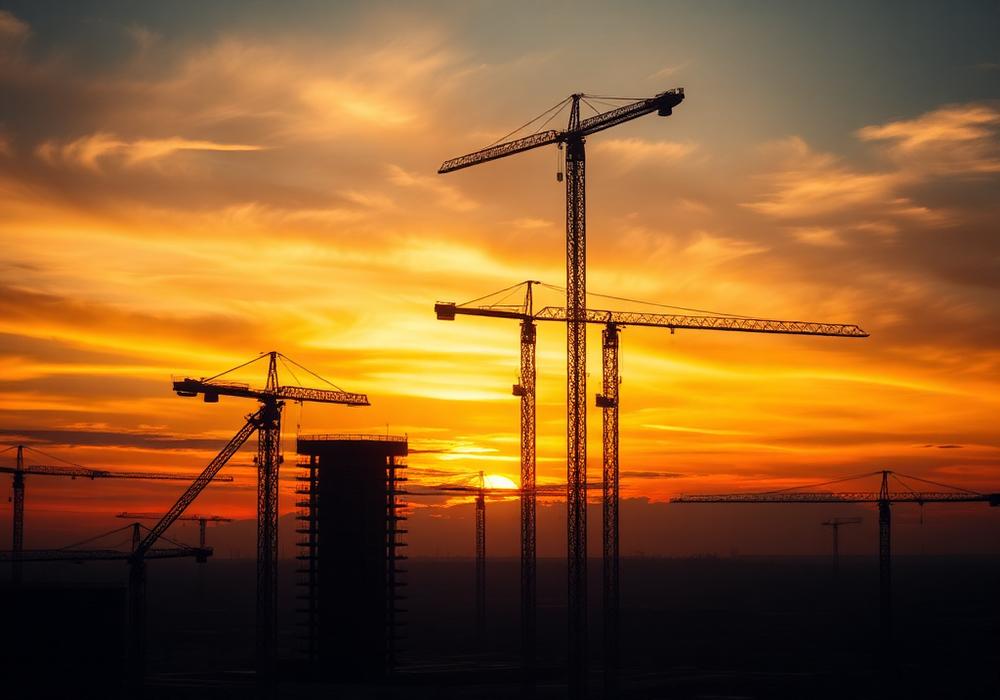
The AI economy, despite how virtual it appears, is being built on concrete, steel, fiber optics, substations, and power grids. That reality is quietly reshaping commercial real estate, and institutional capital has already noticed.
The Hidden Physical Economy Behind AI
Modern AI data centers demand industrial-scale land, massive electrical capacity, advanced liquid cooling, fiber-dense connectivity, backup generation, proximity to transmission, and long-term utility capacity. In practical terms, AI requires some of the most infrastructure-intensive real estate ever developed.
- JLL projects global data center capacity could nearly double between 2026 and 2030.
- Morgan Stanley estimates AI-driven power demand could grow ~126 GW annually through 2028, nearly Canada's total annual electricity consumption.
- Brookings projects global data center electricity usage approaching 1,050 TWh.
Power Is Becoming More Valuable Than Location
For decades, commercial real estate revolved around location, location, location. The emerging AI economy is introducing a new hierarchy of value. Developers are no longer searching first for prime intersections, they are searching for access to megawatts. Land near substations and transmission corridors is commanding premiums previously reserved for prime urban assets.
Power is quietly becoming the new location.
Why Wall Street Is Flooding Into Digital Infrastructure
Blackstone, Brookfield, DigitalBridge, sovereign wealth funds, pension capital, hyperscalers, and infrastructure-focused private equity are aggressively increasing exposure to digital infrastructure and energy-related assets. AI requires physical scale. Physical scale requires infrastructure. Infrastructure requires enormous amounts of capital.
- Industrial development and logistics corridors
- Utility infrastructure and transmission expansion
- Construction financing and private credit
- Energy generation and behind-the-meter solutions
- Manufacturing redevelopment and secondary-market industrial land
The Infrastructure Bottleneck Nobody Can Ignore
The AI infrastructure boom is colliding with aging grids, permitting delays, transmission bottlenecks, water-usage concerns, and political resistance. The defining challenge of the next CRE cycle may not be raising capital, it may be securing infrastructure.
Why Secondary Markets May Quietly Become Major Winners
AI infrastructure development prioritizes available power, affordable land, permitting flexibility, industrial scalability, and utility access. Markets historically overlooked by institutional capital, particularly across the Midwest, are increasingly positioned to benefit from reshoring, logistics expansion, and energy infrastructure growth.
Commercial Real Estate Is Entering an Infrastructure Era
Railroads reshaped industrial development. Highways drove suburban expansion. The internet accelerated logistics and warehouse demand. AI may now trigger the next major reordering of physical real estate. The winners will not simply be the firms with the best assets, they will be the firms that best understand the intersection of infrastructure, energy, capital markets, and digital demand.
The AI race is no longer just a competition for algorithms. It is a competition for power, land, and infrastructure.
Get the next briefing
Monthly perspective on commercial real estate capital markets, infrastructure, and the evolving capital stack, written by the VS Capital Group team.